BRSE and the EDATS Project Participate in SZEGYA’s Career Orientation Day
For many years, the Békéscsabai Röplabda Sportegyesület (BRSE) has maintained a strategic partnership with the Békéscsaba Vocational Training Centre – Szent-Györgyi Albert Technical School and Dormitory (SZEGYA). This collaboration plays a significant role not only in everyday professional education but also in supporting students’ career orientation. One of its latest milestones was the school’s annual Career Orientation Day.
This academic year marks a special milestone for the institution, as it celebrates the graduation of the very first students enrolled in the Sports Coach and Sports Organiser vocational programme. Within the volleyball specialisation, BRSE coaches and professionals have played a key role in the dual education system, providing students with hands-on experience in a real professional sporting environment and helping prepare the next generation of sports professionals.
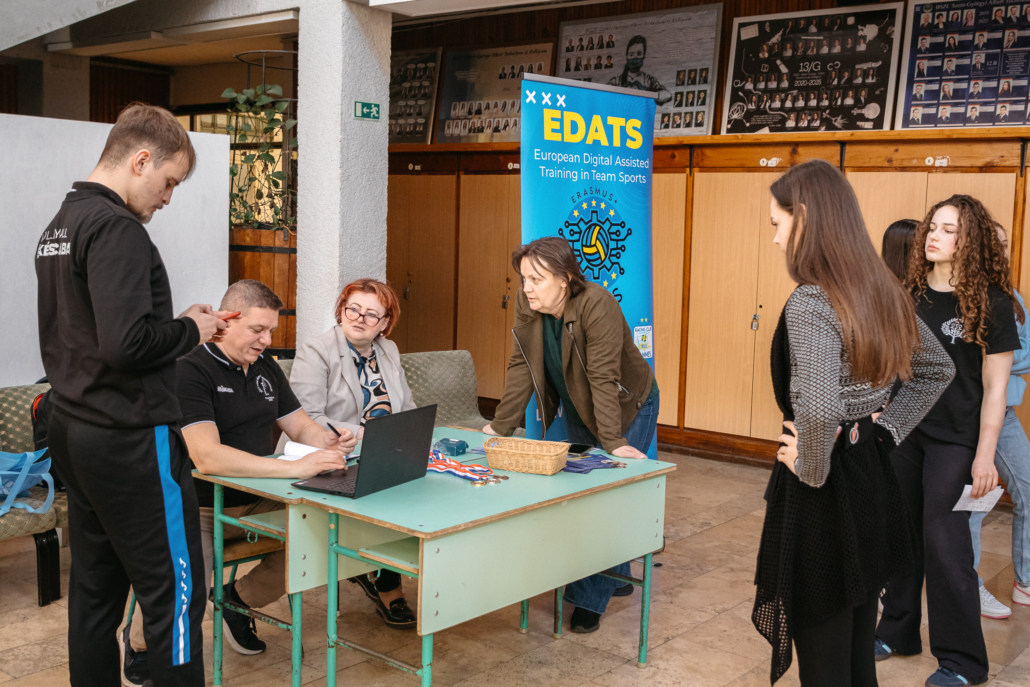
The aim of the Career Orientation Day was not only to present the school’s educational opportunities and the career prospects offered by sport, but also to provide students with an engaging and innovative insight into the connection between sport and modern technology.
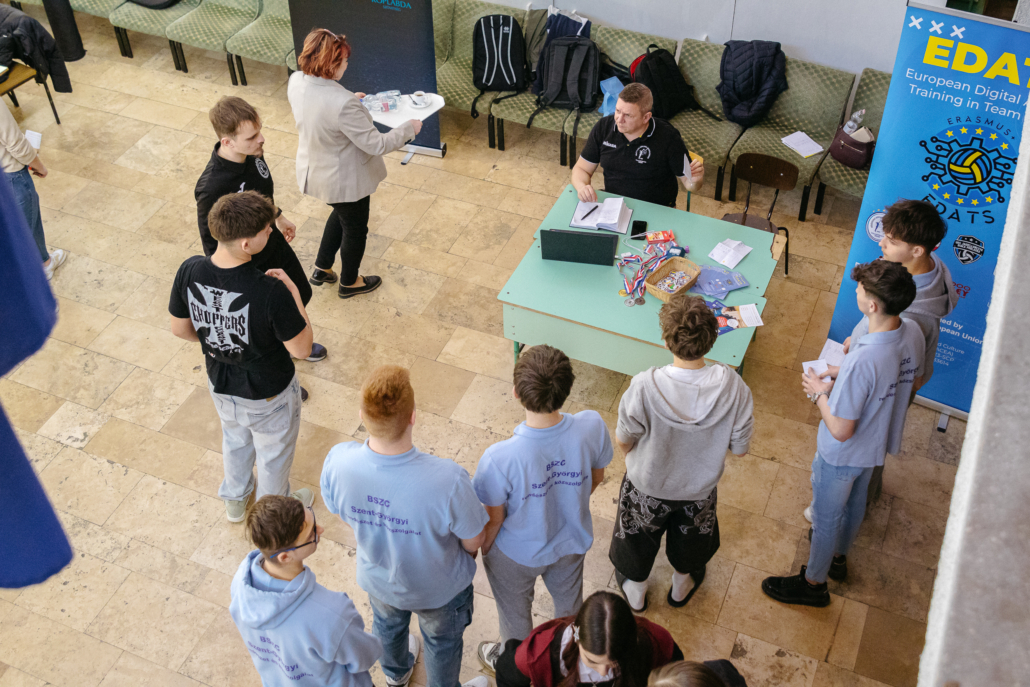
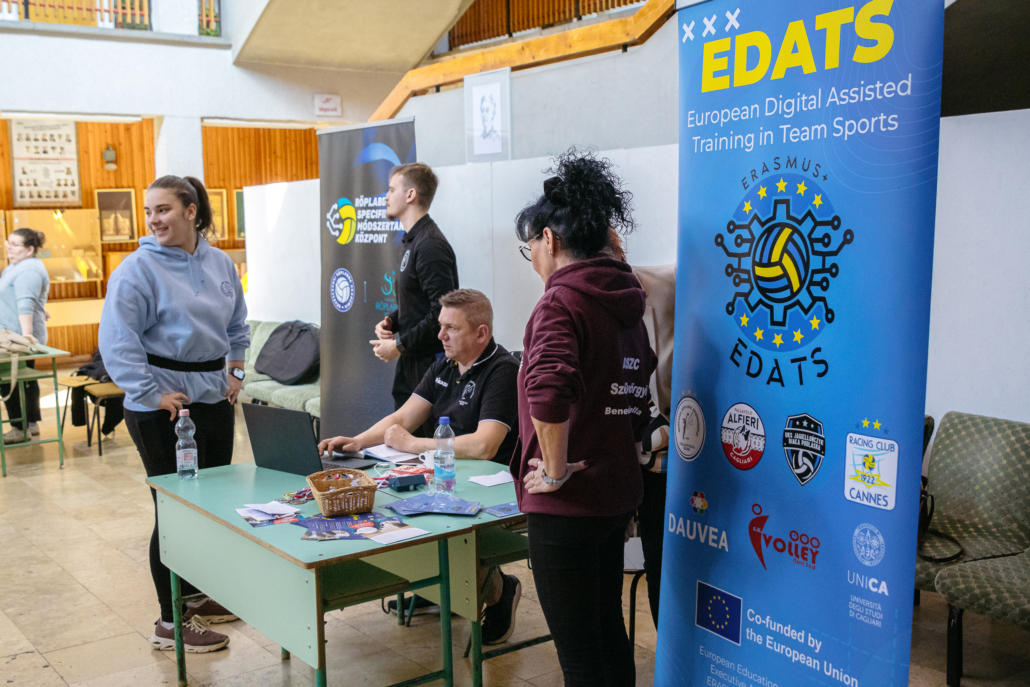
BRSE was represented at the event by István Borbola, Operational Director of the club, and László Somos, physiotherapist, who introduced the international EDATS project. Funded through the Erasmus+ Programme, the project focuses on developing an innovative ICT-based solution capable of supporting athlete performance assessment, long-term performance monitoring and rehabilitation processes.
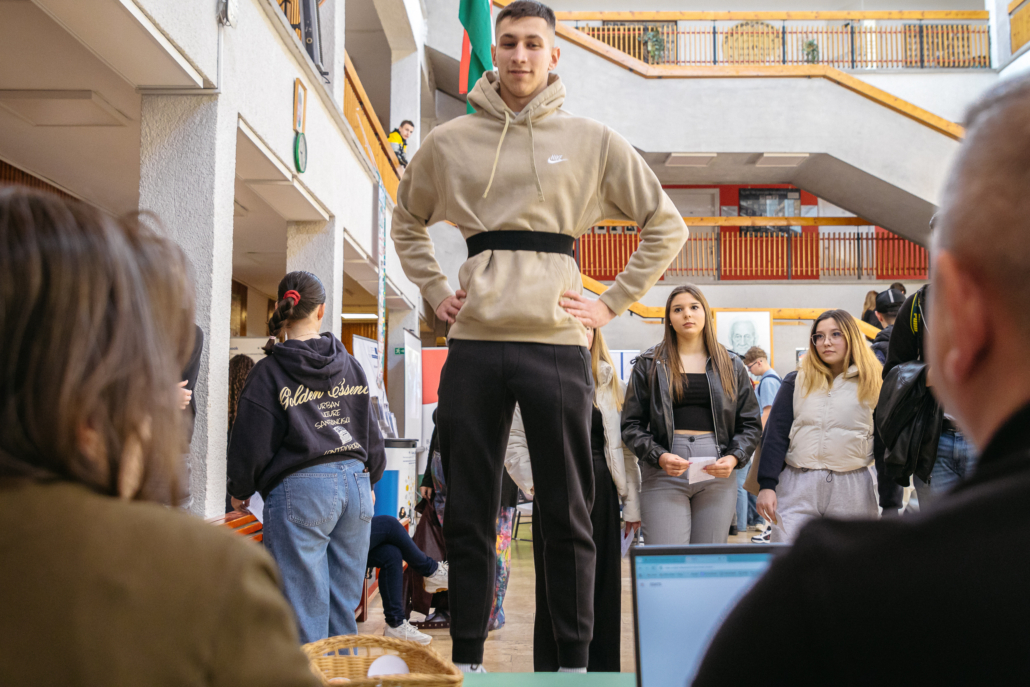
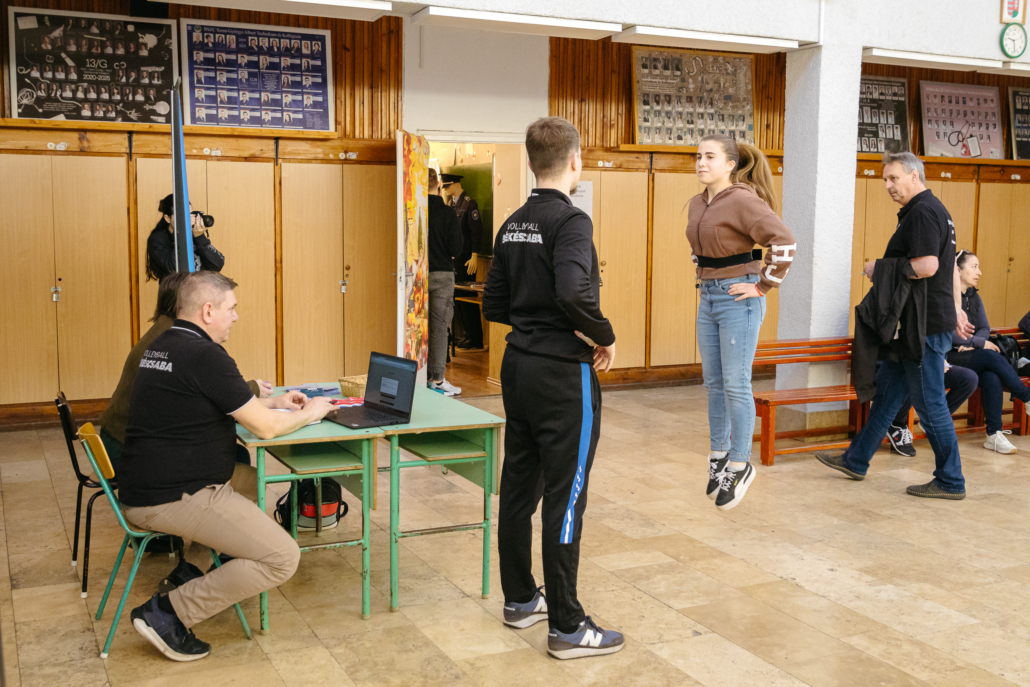
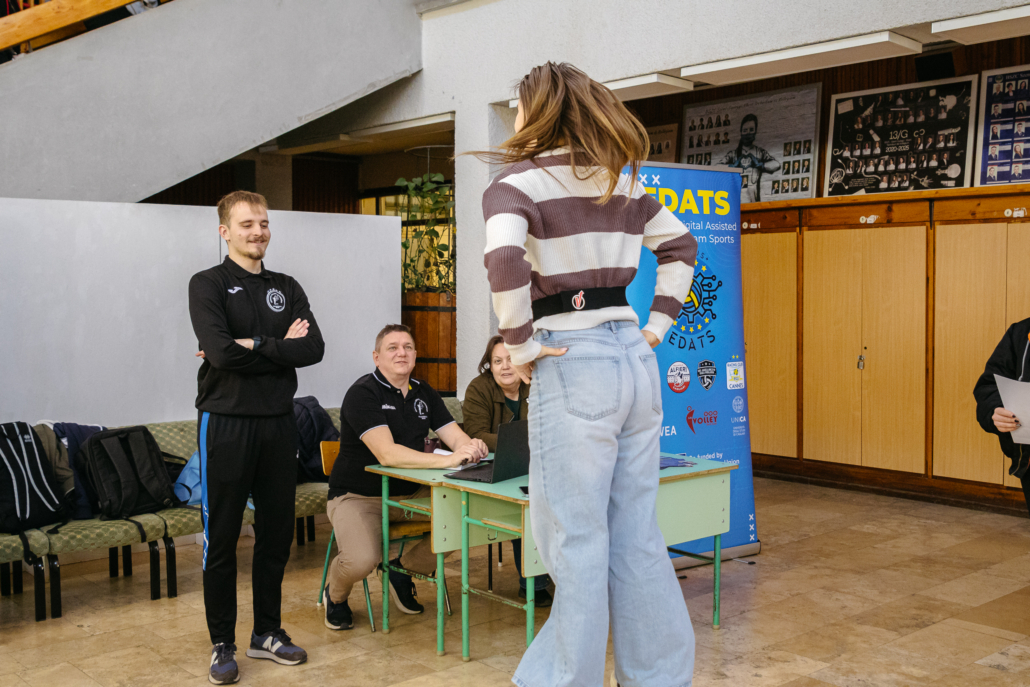
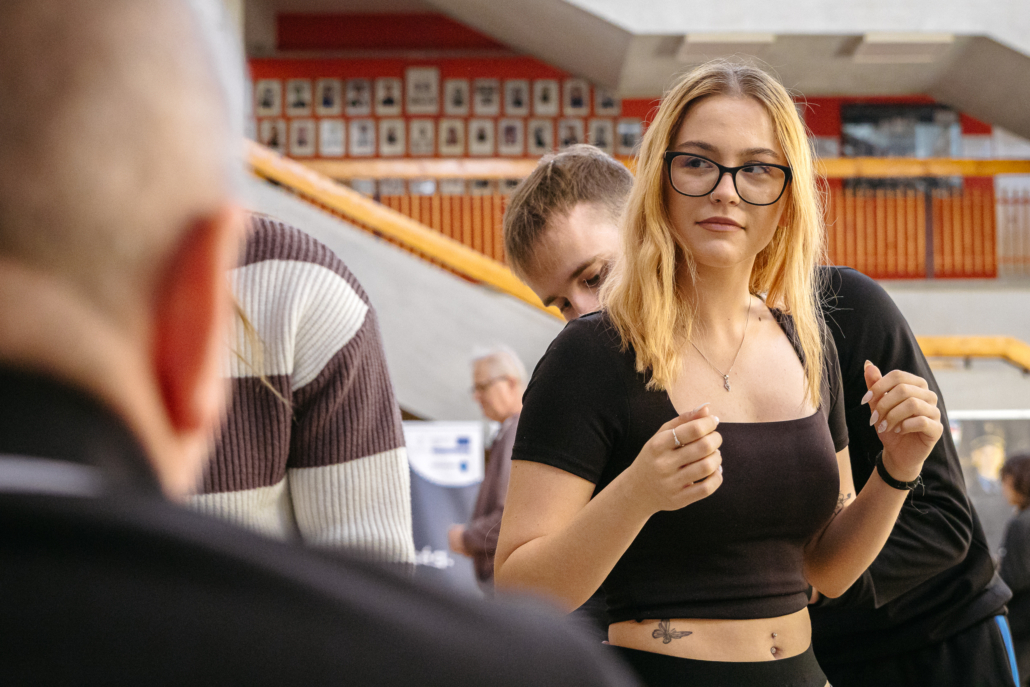
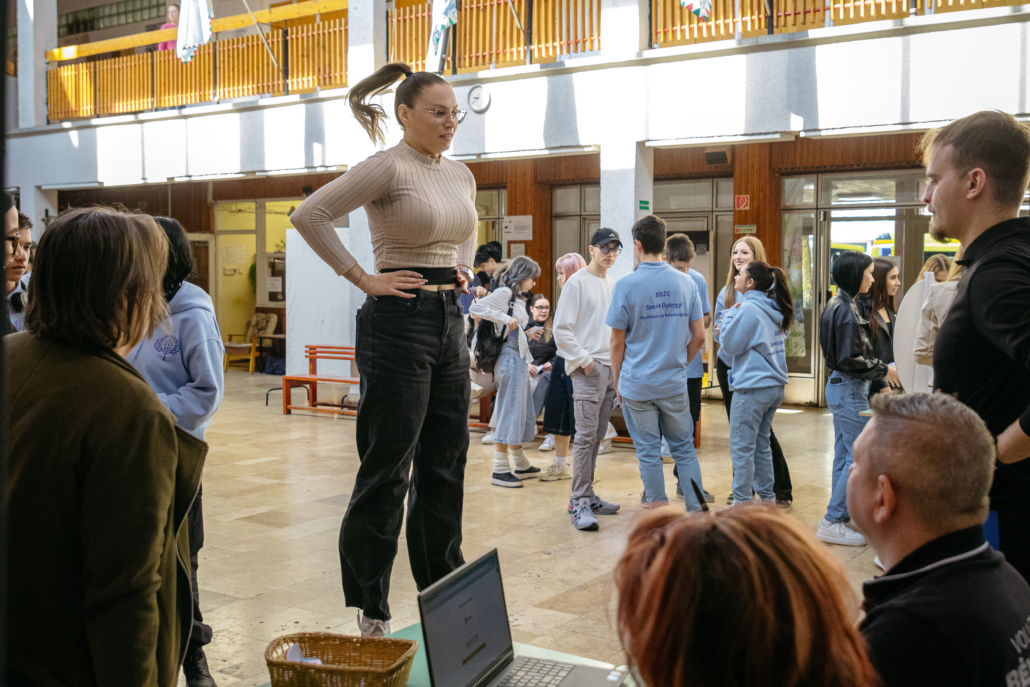
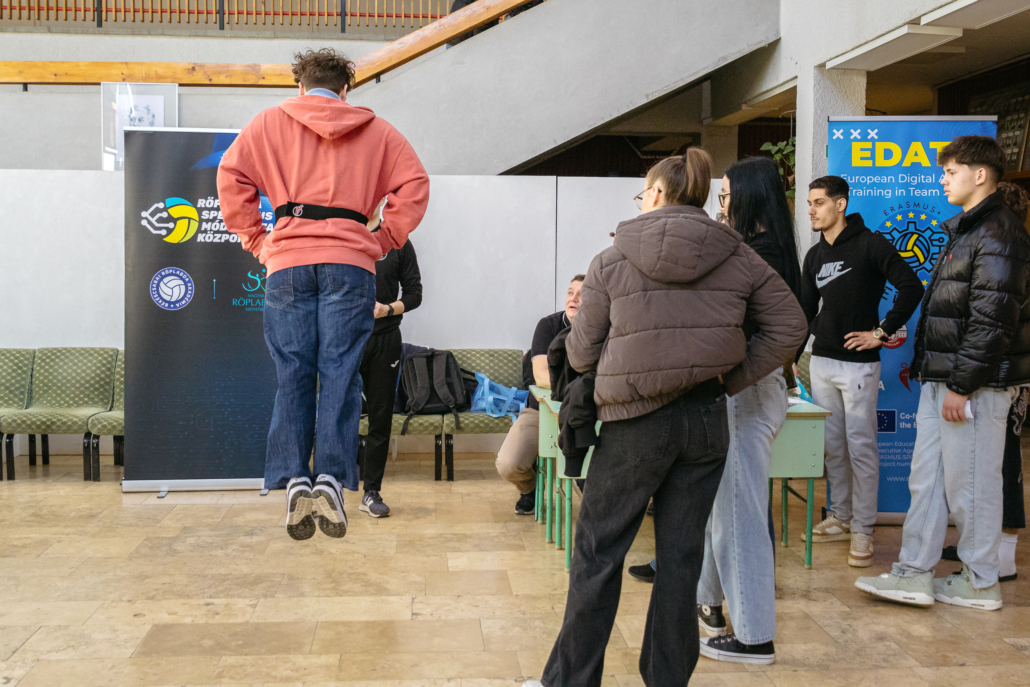
During the presentation, students not only learned about the project but also had the opportunity to experience the technology first-hand. Using the EDATS multifunctional sensor, an interactive jumping competition was organised, during which the vertical displacement of the athletes’ centre of mass was measured. Approximately 100 students took part in the challenge.
To ensure consistent testing conditions, participants performed a two-legged vertical jump with their hands placed on their hips. The results provided an interesting overview of the participants’ physical performance. The boys achieved an average vertical displacement of 32.02 cm, while the girls recorded an average of 23.07 cm.
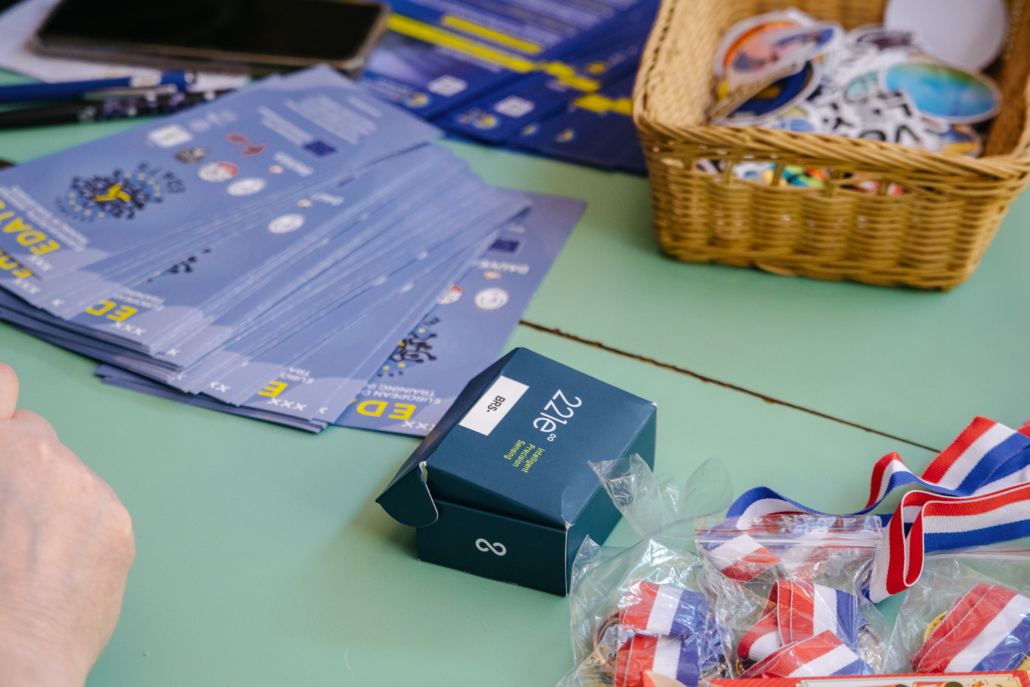
The best-performing students received small prizes, while the top male and female performers were also awarded medals. Particularly impressive was the performance of a female athletics student, who achieved the highest jump of the day with 48.67 cm, outperforming the boys’ best result of 44.44 cm.
The event provided an excellent example of how education, sport and innovation can successfully work together. Once again, the joint efforts of BRSE and its partners demonstrated that practice-oriented education, modern technological solutions and inspiring hands-on experiences can provide young people with valuable guidance and motivation as they make important decisions about their future careers.